

Within the bustling halls of an NHS hospital in Birmingham, a young man named James Stokes navigates his daily responsibilities with subtle confidence. His smart shoes move with deliberate precision as he greets colleagues—some by name, others with the universal currency of a "good morning."
James wears his NHS lanyard not merely as an employee badge but as a testament of belonging. It hangs against a well-maintained uniform that betrays nothing of the challenging road that brought him here.

What separates James from many of his colleagues is not immediately apparent. His bearing reveals nothing of the fact that he was among the first participants of the NHS Universal Family Programme—an effort designed specifically for young people who have spent time in care.
"I found genuine support within the NHS structure," James explains, his voice controlled but revealing subtle passion. His remark summarizes the heart of a programme that strives to revolutionize how the vast healthcare system views care leavers—those often overlooked young people aged 16-25 who have transitioned from the care system.
The figures paint a stark picture. Care leavers often face poorer mental health outcomes, economic uncertainty, housing precarity, and lower academic success compared to their contemporaries. Behind these cold statistics are human stories of young people who have traversed a system that, despite genuine attempts, often falls short in providing the supportive foundation that molds most young lives.
The NHS Universal Family Programme, initiated in January 2023 following NHS England's commitment to the Care Leaver Covenant, embodies a significant change in systemic approach. At its heart, it acknowledges that the whole state and civil society should function as a "collective parent" for those who haven't experienced the security of a typical domestic environment.
Ten pioneering healthcare collectives across England have charted the course, creating systems that reconceptualize how the NHS—one of Europe's largest employers—can create pathways to care leavers.
The Programme is detailed in its approach, beginning with thorough assessments of existing policies, forming oversight mechanisms, and garnering senior buy-in. It understands that effective inclusion requires more than good intentions—it demands concrete steps.
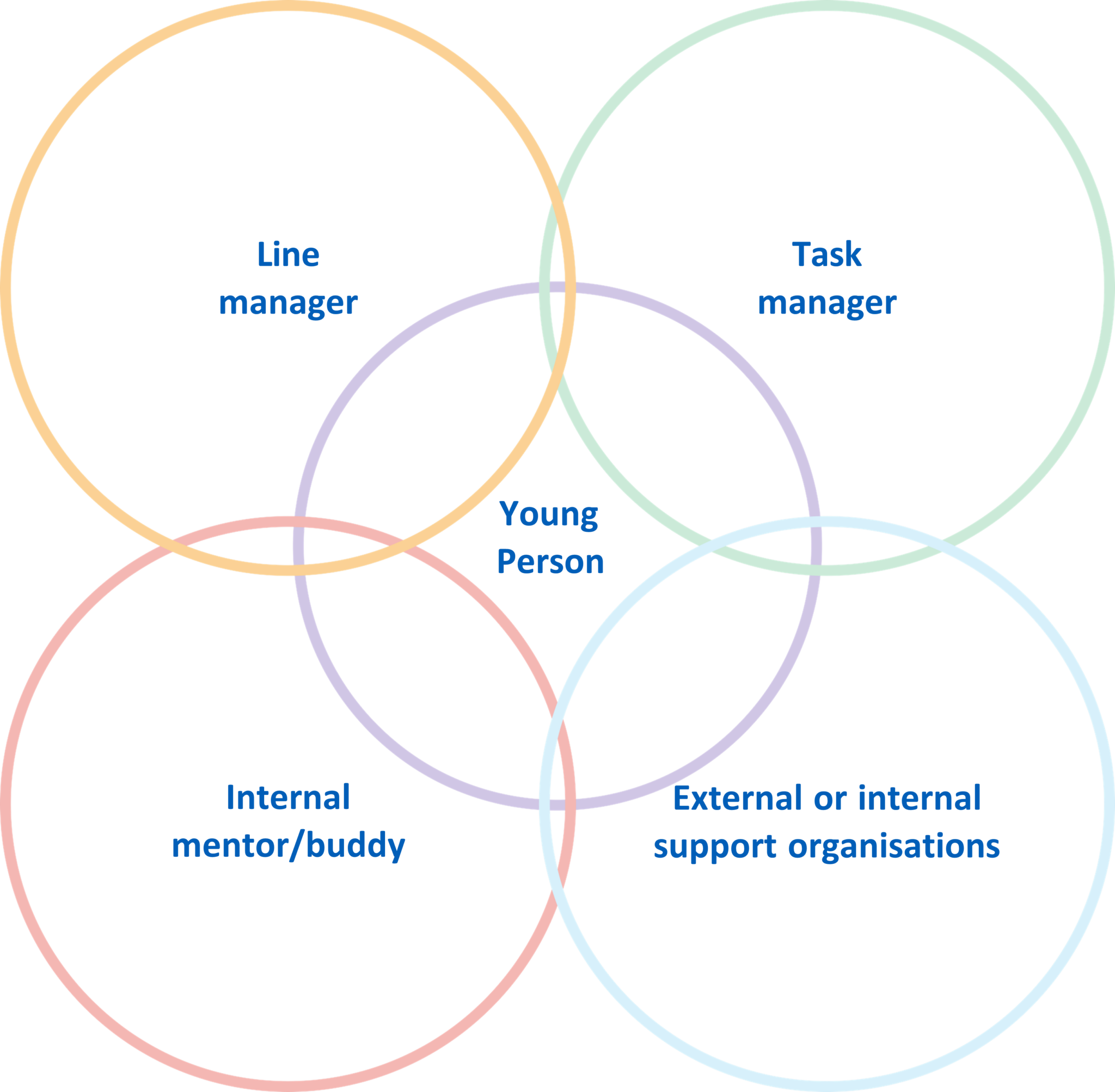
In NHS Birmingham and Solihull ICB, where James found his footing, they've developed a consistent support system with representatives who can deliver assistance and counsel on wellbeing, HR matters, recruitment, and equality, diversity, and inclusion.
The standard NHS recruitment process—rigid and potentially intimidating—has been carefully modified. Job advertisements now emphasize personal qualities rather than extensive qualifications. Application processes have been reimagined to consider the unique challenges care leavers might encounter—from not having work-related contacts to struggling with internet access.
Possibly most crucially, the Programme recognizes that starting a job can pose particular problems for care leavers who may be managing independent living without the safety net of parental assistance. Matters like transportation costs, identification documents, and bank accounts—considered standard by many—can become major obstacles.
The beauty of the Programme lies in its meticulous consideration—from clarifying salary details to providing transportation assistance until that critical first salary payment. Even seemingly minor aspects like break times and professional behavior are carefully explained.
For James, whose career trajectory has "transformed" his life, the Programme delivered more than work. It offered him a perception of inclusion—that ineffable quality that develops when someone is appreciated not despite their past but because their particular journey improves the organization.
"Working for the NHS isn't just about doctors and nurses," James notes, his gaze showing the quiet pride of someone who has found his place. "It's about a collective of different jobs and roles, a family of people who really connect."
The NHS Universal Family Programme represents more than an employment initiative. It functions as a bold declaration that institutions can adapt to include those who have navigated different paths. In doing so, they not only transform individual lives but enhance their operations through the special insights that care leavers provide.
As James moves through the hospital, his participation quietly demonstrates that with the right help, care leavers can flourish in environments once thought inaccessible. The support that the NHS has extended through this Programme signifies not charity but appreciation of hidden abilities and the fundamental reality that each individual warrants a family that champions their success.