

Within the bustling halls of an NHS hospital in Birmingham, a young man named James Stokes moves with quiet purpose. His oxford shoes barely make a sound as he acknowledges colleagues—some by name, others with the universal currency of a "good morning."
James carries his identification not merely as institutional identification but as a symbol of belonging. It rests against a neatly presented outfit that offers no clue of the tumultuous journey that brought him here.
What sets apart James from many of his colleagues is not obvious to the casual observer. His presence gives away nothing of the fact that he was among the first participants of the NHS Universal Family Programme—an initiative designed specifically for young people who have spent time in care.
"The Programme embraced me when I needed it most," James reflects, his voice steady but tinged with emotion. His remark captures the heart of a programme that aims to revolutionize how the massive healthcare system approaches care leavers—those often overlooked young people aged 16-25 who have transitioned from the care system.
The figures tell a troubling story. Care leavers often face poorer mental health outcomes, money troubles, housing precarity, and lower academic success compared to their contemporaries. Behind these cold statistics are human stories of young people who have traversed a system that, despite best intentions, frequently fails in offering the stable base that molds most young lives.
The NHS Universal Family Programme, launched in January 2023 following NHS England's commitment to the Care Leaver Covenant, represents a significant change in institutional thinking. At its heart, it acknowledges that the complete state and civil society should function as a "universal family" for those who have missed out on the stability of a traditional family setting.
A select group of healthcare regions across England have led the way, developing structures that reconceptualize how the NHS—one of Europe's largest employers—can create pathways to care leavers.
The Programme is meticulous in its methodology, starting from detailed evaluations of existing procedures, establishing governance structures, and garnering leadership support. It understands that meaningful participation requires more than good intentions—it demands concrete steps.
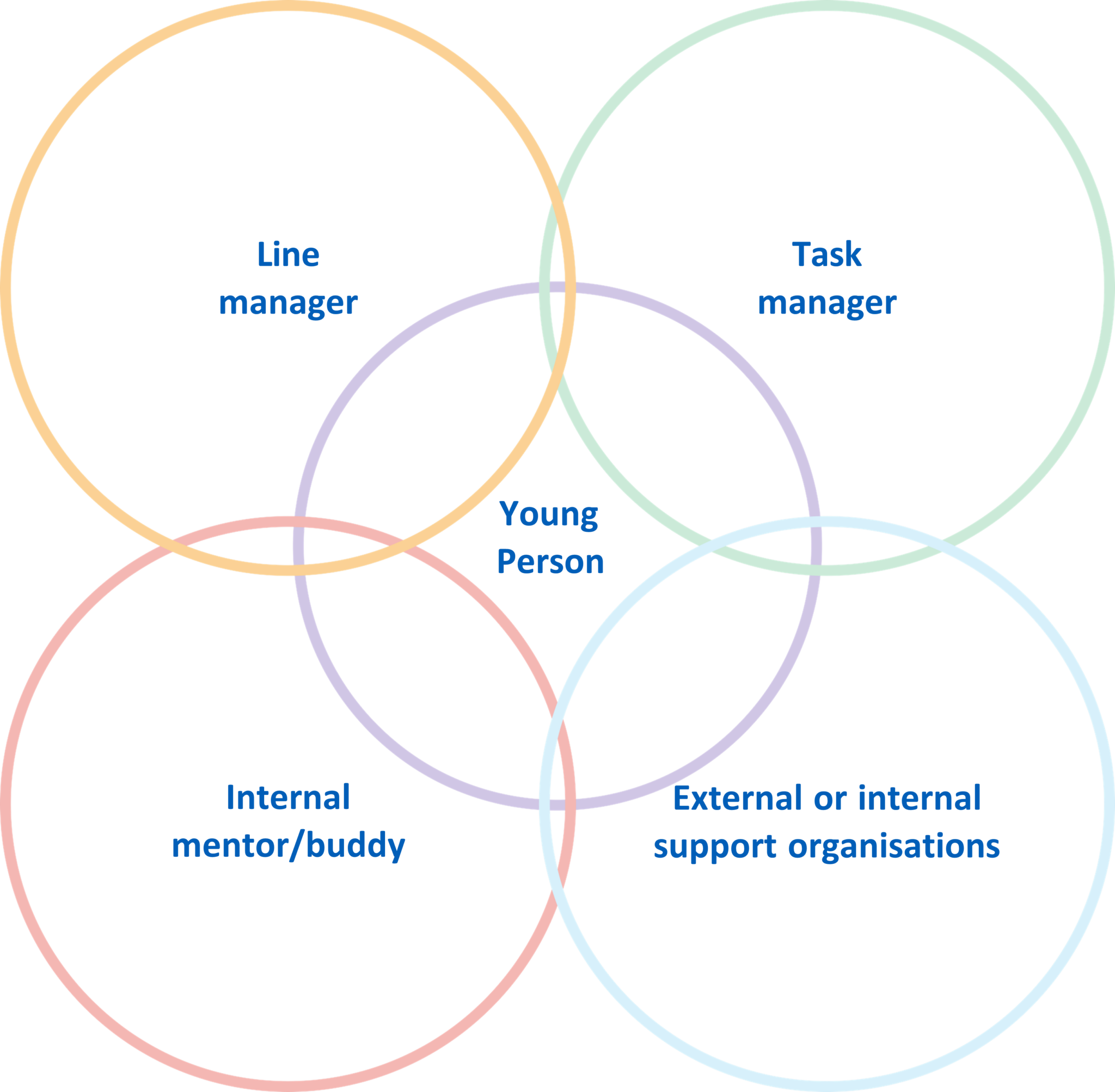
In NHS Birmingham and Solihull ICB, where James started his career, they've established a consistent support system with representatives who can deliver help and direction on personal welfare, HR matters, recruitment, and inclusivity efforts.
The standard NHS recruitment process—rigid and potentially intimidating—has been intentionally adjusted. Job advertisements now focus on character attributes rather than extensive qualifications. Applications have been redesigned to address the particular difficulties care leavers might face—from missing employment history to having limited internet access.
Possibly most crucially, the Programme acknowledges that starting a job can present unique challenges for care leavers who may be handling self-sufficiency without the support of family resources. Concerns like travel expenses, identification documents, and financial services—taken for granted by many—can become substantial hurdles.
The beauty of the Programme lies in its attention to detail—from clarifying salary details to helping with commuting costs until that critical first payday. Even apparently small matters like coffee breaks and workplace conduct are carefully explained.
For James, whose NHS journey has "revolutionized" his life, the Programme delivered more than a job. It provided him a feeling of connection—that intangible quality that develops when someone is appreciated not despite their past but because their distinct perspective improves the institution.
"Working for the NHS isn't just about doctors and nurses," James observes, his gaze showing the modest fulfillment of someone who has discovered belonging. "It's about a family of different jobs and roles, a family of people who genuinely care."
The NHS Universal Family Programme exemplifies more than an employment initiative. It exists as a bold declaration that systems can change to include those who have experienced life differently. In doing so, they not only change personal trajectories but improve their services through the unique perspectives that care leavers provide.
As James navigates his workplace, his participation quietly demonstrates that with the right help, care leavers can succeed in environments once thought inaccessible. The embrace that the NHS has offered through this Programme represents not charity but recognition of overlooked talent and the profound truth that each individual warrants a family that believes in them.