

Among the organized chaos of medical professionals in Birmingham, a young man named James Stokes navigates his daily responsibilities with subtle confidence. His oxford shoes move with deliberate precision as he greets colleagues—some by name, others with the universal currency of a "how are you."
James wears his NHS lanyard not merely as an employee badge but as a symbol of inclusion. It sits against a pressed shirt that betrays nothing of the challenging road that brought him here.
What sets apart James from many of his colleagues is not immediately apparent. His bearing reveals nothing of the fact that he was among the first beneficiaries of the NHS Universal Family Programme—an undertaking designed specifically for young people who have spent time in care.
"It felt like the NHS was putting its arm around me," James reflects, his voice steady but carrying undertones of feeling. His remark summarizes the essence of a programme that seeks to revolutionize how the enormous healthcare system views care leavers—those vulnerable young people aged 16-25 who have graduated out of the care system.
The statistics paint a stark picture. Care leavers often face higher rates of mental health issues, money troubles, housing precarity, and diminished educational achievements compared to their age-mates. Behind these impersonal figures are human stories of young people who have navigated a system that, despite good efforts, often falls short in offering the supportive foundation that shapes most young lives.
The NHS Universal Family Programme, initiated in January 2023 following NHS England's promise to the Care Leaver Covenant, signifies a significant change in systemic approach. At its core, it recognizes that the whole state and civil society should function as a "collective parent" for those who haven't known the constancy of a conventional home.
Ten pioneering healthcare collectives across England have led the way, creating frameworks that reimagine how the NHS—one of Europe's largest employers—can open its doors to care leavers.
The Programme is thorough in its strategy, starting from detailed evaluations of existing policies, forming oversight mechanisms, and obtaining executive backing. It acknowledges that meaningful participation requires more than noble aims—it demands tangible actions.
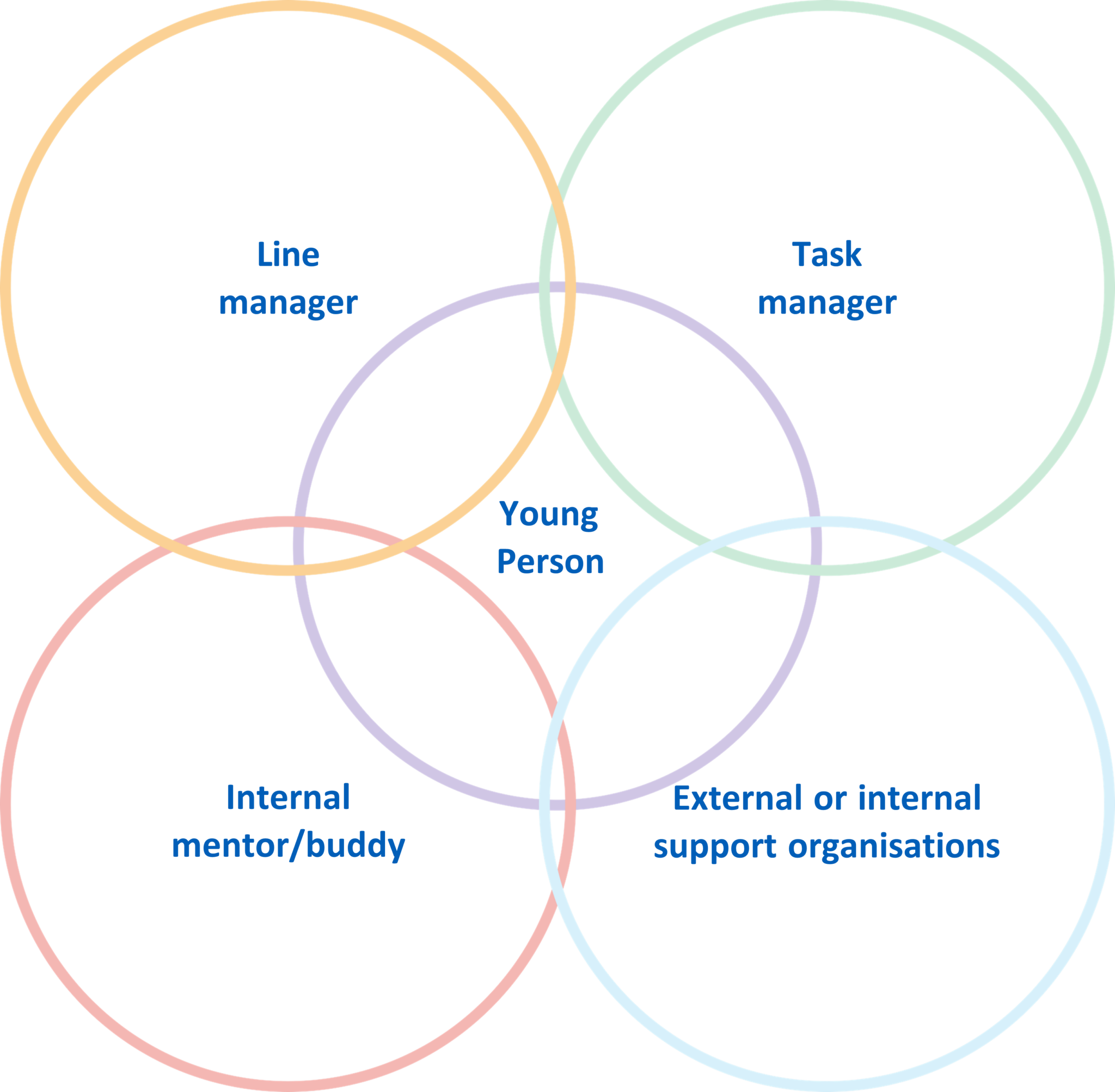
In NHS Birmingham and Solihull ICB, where James found his footing, they've developed a regular internal communication network with representatives who can deliver assistance and counsel on personal welfare, HR matters, recruitment, and equality, diversity, and inclusion.
The conventional NHS recruitment process—formal and often daunting—has been intentionally adjusted. Job advertisements now highlight character attributes rather than extensive qualifications. Application processes have been redesigned to consider the specific obstacles care leavers might encounter—from missing employment history to facing barriers to internet access.
Maybe most importantly, the Programme understands that entering the workforce can create specific difficulties for care leavers who may be navigating autonomy without the support of parental assistance. Issues like commuting fees, personal documentation, and bank accounts—considered standard by many—can become substantial hurdles.
The brilliance of the Programme lies in its meticulous consideration—from explaining payslip deductions to providing transportation assistance until that essential first wage disbursement. Even ostensibly trivial elements like break times and professional behavior are thoughtfully covered.
For James, whose NHS journey has "transformed" his life, the Programme offered more than a job. It provided him a feeling of connection—that intangible quality that develops when someone feels valued not despite their background but because their unique life experiences improves the institution.
"Working for the NHS isn't just about doctors and nurses," James notes, his eyes reflecting the subtle satisfaction of someone who has discovered belonging. "It's about a family of different jobs and roles, a team of people who really connect."
The NHS Universal Family Programme represents more than an employment initiative. It stands as a strong assertion that organizations can adapt to embrace those who have navigated different paths. In doing so, they not only transform individual lives but enrich themselves through the unique perspectives that care leavers bring to the table.
As James navigates his workplace, his involvement silently testifies that with the right support, care leavers can succeed in environments once thought inaccessible. The embrace that the NHS has provided through this Programme symbolizes not charity but recognition of hidden abilities and the essential fact that everyone deserves a support system that supports their growth.