

Among the organized chaos of medical professionals in Birmingham, a young man named James Stokes moves with quiet purpose. His polished footwear whisper against the floor as he acknowledges colleagues—some by name, others with the familiar currency of a "good morning."
James displays his credentials not merely as an employee badge but as a testament of acceptance. It sits against a neatly presented outfit that offers no clue of the difficult path that led him to this place.
What separates James from many of his colleagues is not visible on the surface. His presence reveals nothing of the fact that he was among the first beneficiaries of the NHS Universal Family Programme—an initiative crafted intentionally for young people who have experienced life in local authority care.
"It felt like the NHS was putting its arm around me," James says, his voice steady but tinged with emotion. His statement summarizes the core of a programme that aims to revolutionize how the massive healthcare system approaches care leavers—those often overlooked young people aged 16-25 who have graduated out of the care system.
The numbers reveal a challenging reality. Care leavers often face poorer mental health outcomes, economic uncertainty, shelter insecurities, and lower academic success compared to their contemporaries. Underlying these cold statistics are human stories of young people who have navigated a system that, despite best intentions, frequently fails in offering the nurturing environment that shapes most young lives.
The NHS Universal Family Programme, launched in January 2023 following NHS England's pledge to the Care Leaver Covenant, embodies a substantial transformation in institutional thinking. Fundamentally, it accepts that the whole state and civil society should function as a "universal family" for those who have missed out on the security of a conventional home.
Ten pathfinder integrated care boards across England have charted the course, creating systems that reconceptualize how the NHS—one of Europe's largest employers—can extend opportunities to care leavers.
The Programme is detailed in its approach, beginning with comprehensive audits of existing policies, creating management frameworks, and securing executive backing. It recognizes that effective inclusion requires more than noble aims—it demands practical measures.
In NHS Birmingham and Solihull ICB, where James started his career, they've developed a regular internal communication network with representatives who can offer assistance and counsel on personal welfare, HR matters, recruitment, and inclusivity efforts.
The standard NHS recruitment process—structured and possibly overwhelming—has been carefully modified. Job advertisements now emphasize attitudinal traits rather than numerous requirements. Application processes have been redesigned to accommodate the specific obstacles care leavers might experience—from not having work-related contacts to facing barriers to internet access.
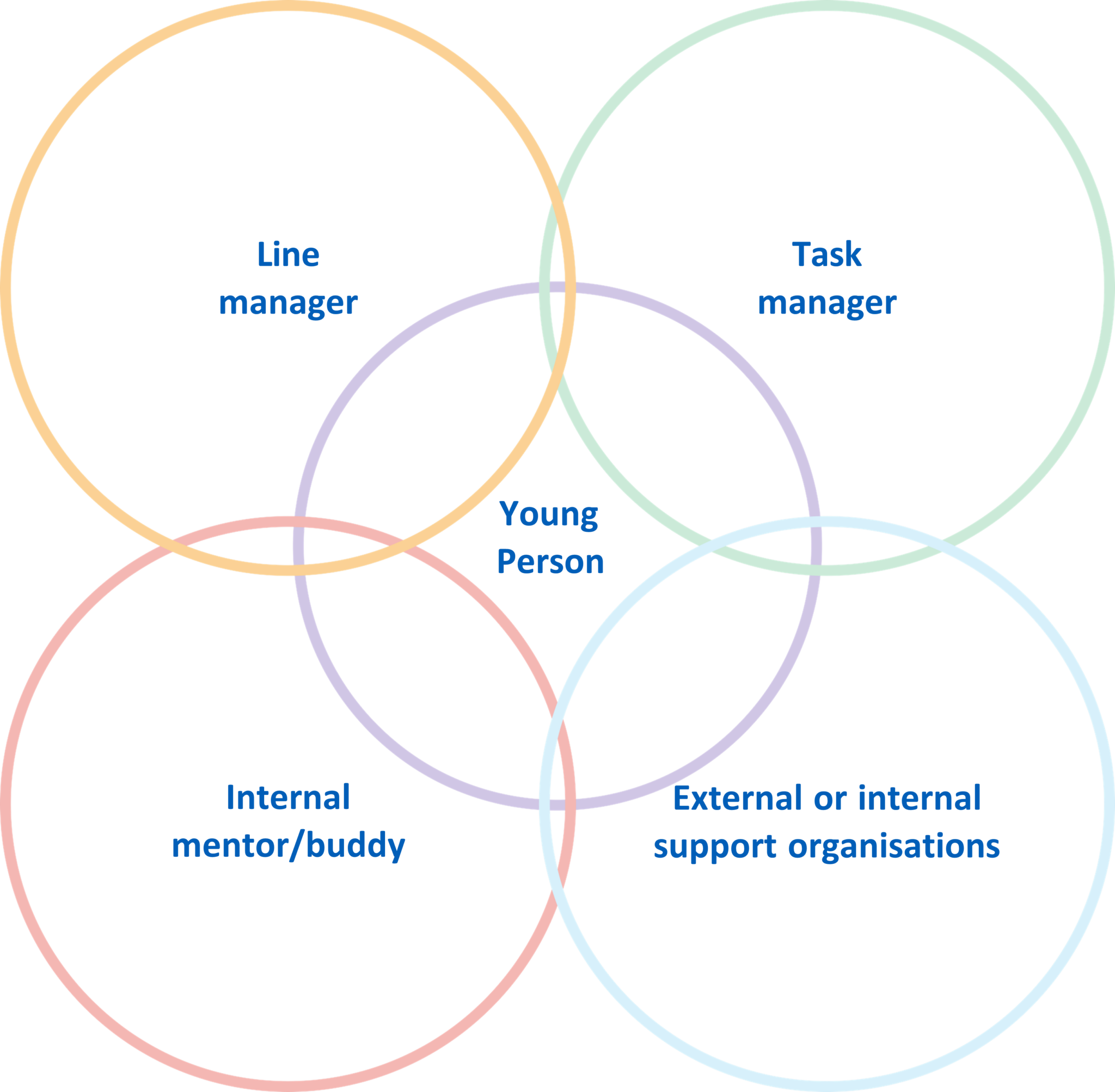
Maybe most importantly, the Programme recognizes that starting a job can pose particular problems for care leavers who may be handling self-sufficiency without the support of familial aid. Issues like travel expenses, personal documentation, and banking arrangements—assumed basic by many—can become substantial hurdles.
The elegance of the Programme lies in its meticulous consideration—from explaining payslip deductions to helping with commuting costs until that critical first salary payment. Even apparently small matters like coffee breaks and professional behavior are thoughtfully covered.
For James, whose career trajectory has "revolutionized" his life, the Programme provided more than a job. It gave him a perception of inclusion—that intangible quality that emerges when someone senses worth not despite their history but because their unique life experiences enriches the organization.
"Working for the NHS isn't just about doctors and nurses," James observes, his expression revealing the quiet pride of someone who has found his place. "It's about a community of different jobs and roles, a group of people who genuinely care."

The NHS Universal Family Programme represents more than an work program. It stands as a bold declaration that institutions can adapt to welcome those who have navigated different paths. In doing so, they not only transform individual lives but enhance their operations through the distinct viewpoints that care leavers contribute.
As James moves through the hospital, his involvement quietly demonstrates that with the right help, care leavers can thrive in environments once thought inaccessible. The support that the NHS has extended through this Programme represents not charity but recognition of overlooked talent and the fundamental reality that each individual warrants a support system that supports their growth.