

In the sterile corridors of Birmingham Women's and Children's NHS Foundation Trust, a young man named James Stokes moves with quiet purpose. His oxford shoes barely make a sound as he exchanges pleasantries with colleagues—some by name, others with the familiar currency of a "good morning."
James wears his NHS lanyard not merely as an employee badge but as a declaration of acceptance. It sits against a well-maintained uniform that betrays nothing of the challenging road that brought him here.
What sets apart James from many of his colleagues is not visible on the surface. His bearing reveals nothing of the fact that he was among the first beneficiaries of the NHS Universal Family Programme—an initiative designed specifically for young people who have been through the care system.
"I found genuine support within the NHS structure," James reflects, his voice steady but carrying undertones of feeling. His statement captures the core of a programme that strives to revolutionize how the vast healthcare system perceives care leavers—those frequently marginalized young people aged 16-25 who have graduated out of the care system.
The numbers paint a stark picture. Care leavers frequently encounter greater psychological challenges, economic uncertainty, accommodation difficulties, and lower academic success compared to their peers. Beneath these clinical numbers are personal narratives of young people who have navigated a system that, despite best intentions, regularly misses the mark in providing the nurturing environment that shapes most young lives.
The NHS Universal Family Programme, initiated in January 2023 following NHS England's pledge to the Care Leaver Covenant, signifies a profound shift in organizational perspective. At its heart, it accepts that the complete state and civil society should function as a "universal family" for those who haven't known the constancy of a conventional home.
Ten pioneering healthcare collectives across England have charted the course, creating frameworks that reimagine how the NHS—one of Europe's largest employers—can extend opportunities to care leavers.
The Programme is detailed in its strategy, initiating with thorough assessments of existing practices, forming governance structures, and obtaining leadership support. It recognizes that successful integration requires more than lofty goals—it demands concrete steps.
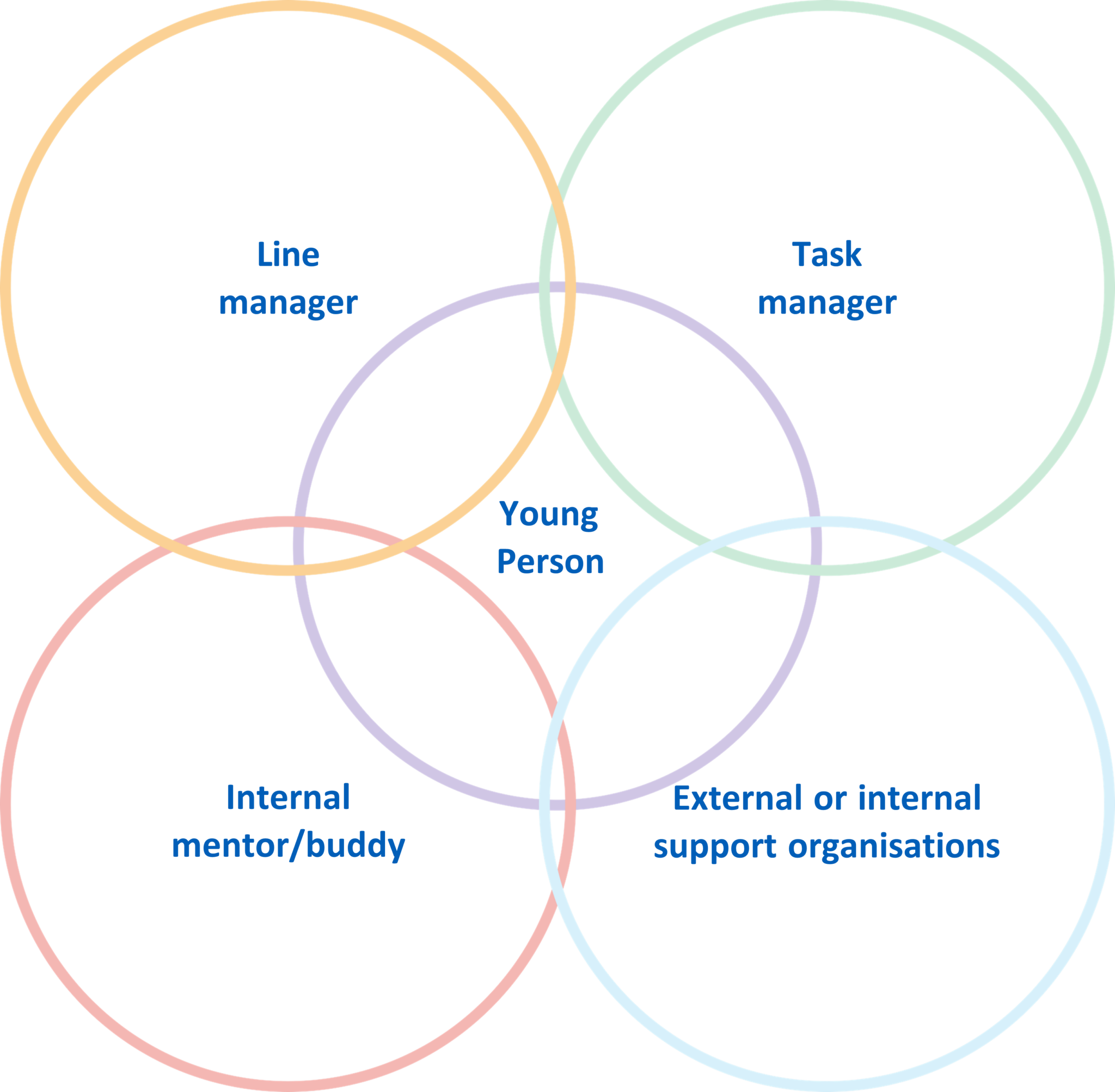
In NHS Birmingham and Solihull ICB, where James began his journey, they've developed a consistent support system with representatives who can provide support, advice, and guidance on mental health, HR matters, recruitment, and EDI initiatives.
The traditional NHS recruitment process—rigid and often daunting—has been carefully modified. Job advertisements now highlight character attributes rather than extensive qualifications. Application procedures have been redesigned to consider the specific obstacles care leavers might experience—from missing employment history to having limited internet access.
Possibly most crucially, the Programme acknowledges that entering the workforce can pose particular problems for care leavers who may be managing independent living without the support of parental assistance. Concerns like transportation costs, personal documentation, and bank accounts—considered standard by many—can become significant barriers.
The brilliance of the Programme lies in its attention to detail—from explaining payslip deductions to helping with commuting costs until that crucial first payday. Even ostensibly trivial elements like rest periods and office etiquette are carefully explained.
For James, whose professional path has "revolutionized" his life, the Programme offered more than a job. It gave him a perception of inclusion—that intangible quality that emerges when someone feels valued not despite their past but because their unique life experiences enhances the workplace.
"Working for the NHS isn't just about doctors and nurses," James comments, his expression revealing the modest fulfillment of someone who has found his place. "It's about a community of different jobs and roles, a family of people who truly matter."
The NHS Universal Family Programme exemplifies more than an work program. It stands as a bold declaration that institutions can evolve to welcome those who have known different challenges. In doing so, they not only transform individual lives but enhance their operations through the distinct viewpoints that care leavers bring to the table.
As James moves through the hospital, his participation silently testifies that with the right help, care leavers can succeed in environments once considered beyond reach. The embrace that the NHS has extended through this Programme represents not charity but appreciation of overlooked talent and the fundamental reality that everyone deserves a community that believes in them.