
Among the organized chaos of medical professionals in Birmingham, a young man named James Stokes moves with quiet purpose. His polished footwear whisper against the floor as he greets colleagues—some by name, others with the universal currency of a "how are you."
James carries his identification not merely as an employee badge but as a testament of inclusion. It sits against a well-maintained uniform that betrays nothing of the tumultuous journey that led him to this place.
What distinguishes James from many of his colleagues is not visible on the surface. His demeanor gives away nothing of the fact that he was among the first recruits of the NHS Universal Family Programme—an undertaking created purposefully for young people who have experienced life in local authority care.
"It felt like the NHS was putting its arm around me," James reflects, his voice controlled but tinged with emotion. His statement encapsulates the core of a programme that aims to transform how the vast healthcare system views care leavers—those frequently marginalized young people aged 16-25 who have emerged from the care system.
The numbers tell a troubling story. Care leavers commonly experience greater psychological challenges, financial instability, housing precarity, and lower academic success compared to their peers. Beneath these clinical numbers are individual journeys of young people who have traversed a system that, despite good efforts, regularly misses the mark in delivering the stable base that forms most young lives.
The NHS Universal Family Programme, established in January 2023 following NHS England's promise to the Care Leaver Covenant, signifies a profound shift in institutional thinking. Fundamentally, it recognizes that the whole state and civil society should function as a "collective parent" for those who haven't known the stability of a traditional family setting.
Ten pioneering healthcare collectives across England have blazed the trail, developing systems that reconceptualize how the NHS—one of Europe's largest employers—can open its doors to care leavers.
The Programme is thorough in its approach, initiating with comprehensive audits of existing policies, forming oversight mechanisms, and securing leadership support. It recognizes that successful integration requires more than noble aims—it demands practical measures.
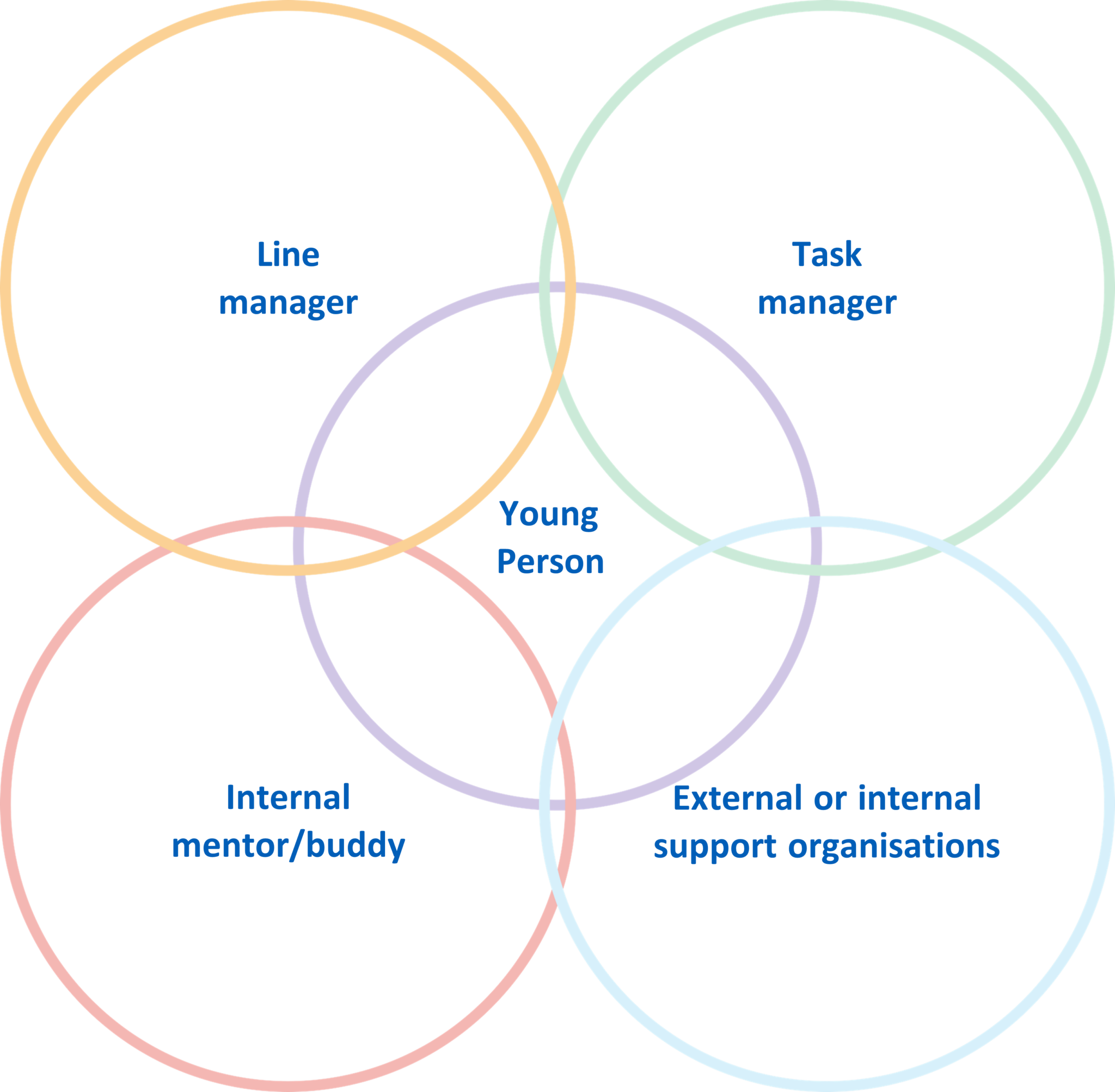
In NHS Birmingham and Solihull ICB, where James began his journey, they've developed a regular internal communication network with representatives who can deliver help and direction on mental health, HR matters, recruitment, and inclusivity efforts.
The standard NHS recruitment process—formal and often daunting—has been carefully modified. Job advertisements now emphasize attitudinal traits rather than long lists of credentials. Application procedures have been reconsidered to consider the unique challenges care leavers might experience—from missing employment history to having limited internet access.
Possibly most crucially, the Programme recognizes that starting a job can create specific difficulties for care leavers who may be handling self-sufficiency without the support of parental assistance. Issues like travel expenses, identification documents, and bank accounts—taken for granted by many—can become significant barriers.
The beauty of the Programme lies in its thorough planning—from clarifying salary details to offering travel loans until that critical first salary payment. Even ostensibly trivial elements like coffee breaks and professional behavior are deliberately addressed.

For James, whose career trajectory has "revolutionized" his life, the Programme offered more than a job. It gave him a perception of inclusion—that ineffable quality that develops when someone senses worth not despite their past but because their particular journey enhances the workplace.
"Working for the NHS isn't just about doctors and nurses," James observes, his eyes reflecting the modest fulfillment of someone who has found his place. "It's about a community of different jobs and roles, a team of people who really connect."
The NHS Universal Family Programme represents more than an employment initiative. It functions as a strong assertion that systems can adapt to welcome those who have known different challenges. In doing so, they not only change personal trajectories but enhance their operations through the special insights that care leavers bring to the table.
As James navigates his workplace, his involvement silently testifies that with the right assistance, care leavers can flourish in environments once thought inaccessible. The support that the NHS has extended through this Programme represents not charity but appreciation of hidden abilities and the profound truth that everyone deserves a community that supports their growth.