


In the sterile corridors of Birmingham Women's and Children's NHS Foundation Trust, a young man named James Stokes carries himself with the measured poise of someone who has found his place. His polished footwear whisper against the floor as he acknowledges colleagues—some by name, others with the comfortable currency of a "good morning."
James wears his NHS lanyard not merely as a security requirement but as a symbol of inclusion. It hangs against a pressed shirt that betrays nothing of the difficult path that brought him here.
What separates James from many of his colleagues is not obvious to the casual observer. His presence gives away nothing of the fact that he was among the first participants of the NHS Universal Family Programme—an effort crafted intentionally for young people who have been through the care system.
"The Programme embraced me when I needed it most," James says, his voice measured but carrying undertones of feeling. His statement captures the essence of a programme that seeks to transform how the massive healthcare system views care leavers—those vulnerable young people aged 16-25 who have graduated out of the care system.
The statistics paint a stark picture. Care leavers often face higher rates of mental health issues, financial instability, accommodation difficulties, and reduced scholarly attainment compared to their peers. Underlying these cold statistics are human stories of young people who have traversed a system that, despite good efforts, frequently fails in providing the stable base that molds most young lives.
The NHS Universal Family Programme, initiated in January 2023 following NHS England's promise to the Care Leaver Covenant, represents a substantial transformation in institutional thinking. At its heart, it accepts that the whole state and civil society should function as a "collective parent" for those who haven't experienced the constancy of a traditional family setting.
A select group of healthcare regions across England have charted the course, developing structures that reconceptualize how the NHS—one of Europe's largest employers—can create pathways to care leavers.
The Programme is thorough in its approach, starting from detailed evaluations of existing policies, creating oversight mechanisms, and securing senior buy-in. It understands that successful integration requires more than good intentions—it demands tangible actions.
In NHS Birmingham and Solihull ICB, where James started his career, they've created a consistent support system with representatives who can provide assistance and counsel on mental health, HR matters, recruitment, and inclusivity efforts.
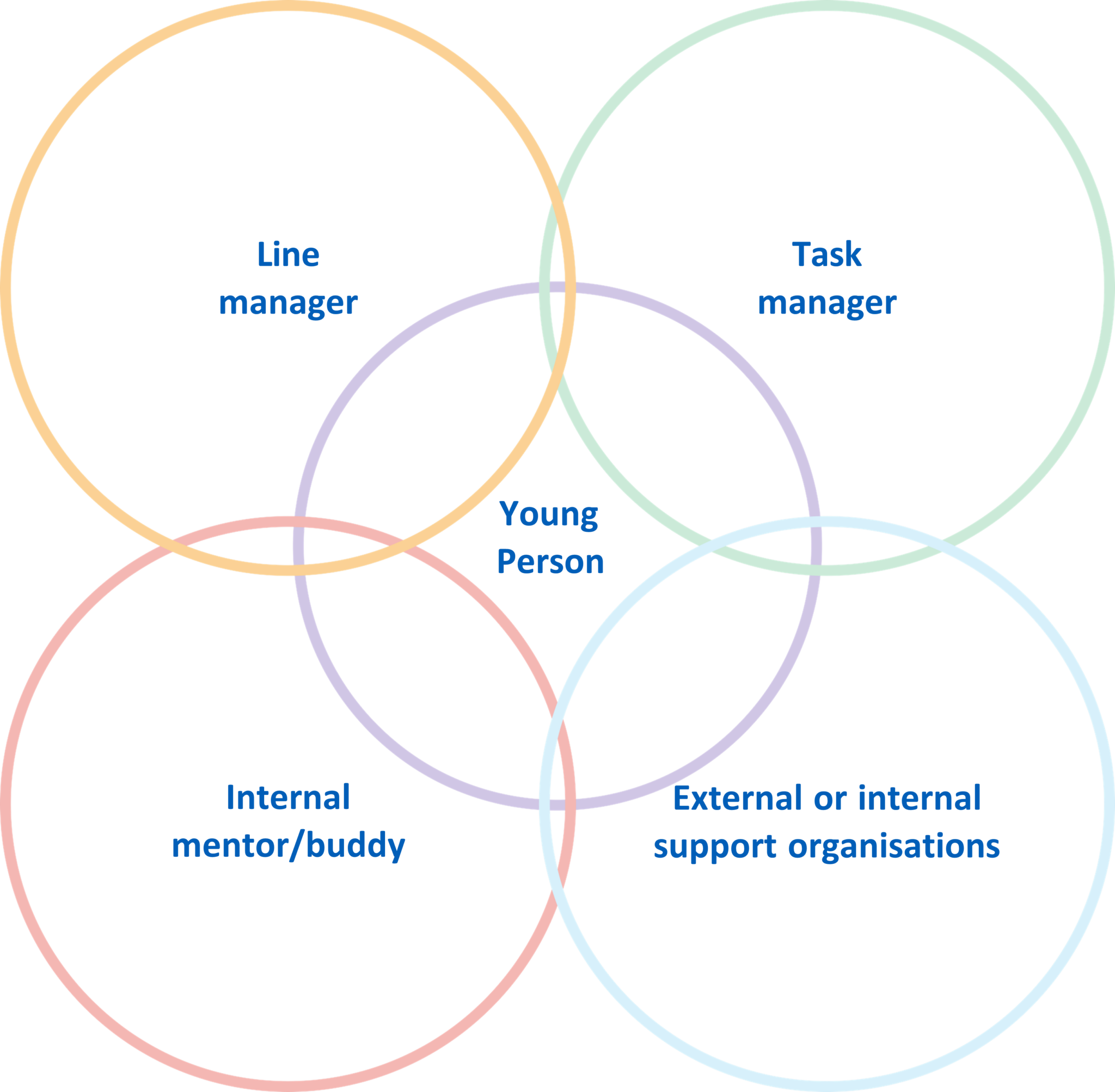
The conventional NHS recruitment process—structured and possibly overwhelming—has been intentionally adjusted. Job advertisements now focus on character attributes rather than numerous requirements. Application processes have been redesigned to address the unique challenges care leavers might face—from missing employment history to struggling with internet access.
Possibly most crucially, the Programme understands that beginning employment can pose particular problems for care leavers who may be handling self-sufficiency without the safety net of parental assistance. Issues like commuting fees, personal documentation, and bank accounts—assumed basic by many—can become significant barriers.
The brilliance of the Programme lies in its attention to detail—from explaining payslip deductions to providing transportation assistance until that essential first wage disbursement. Even ostensibly trivial elements like coffee breaks and professional behavior are carefully explained.
For James, whose NHS journey has "transformed" his life, the Programme delivered more than work. It provided him a perception of inclusion—that intangible quality that develops when someone is appreciated not despite their history but because their particular journey enhances the institution.
"Working for the NHS isn't just about doctors and nurses," James observes, his eyes reflecting the quiet pride of someone who has found his place. "It's about a community of different jobs and roles, a family of people who really connect."
The NHS Universal Family Programme represents more than an job scheme. It functions as a strong assertion that systems can adapt to welcome those who have experienced life differently. In doing so, they not only alter individual futures but enhance their operations through the special insights that care leavers provide.
As James moves through the hospital, his participation subtly proves that with the right support, care leavers can thrive in environments once thought inaccessible. The support that the NHS has provided through this Programme represents not charity but recognition of untapped potential and the essential fact that all people merit a family that champions their success.