

Among the organized chaos of medical professionals in Birmingham, a young man named James Stokes carries himself with the measured poise of someone who has found his place. His oxford shoes whisper against the floor as he acknowledges colleagues—some by name, others with the comfortable currency of a "how are you."
James displays his credentials not merely as institutional identification but as a declaration of inclusion. It sits against a pressed shirt that betrays nothing of the tumultuous journey that brought him here.
What separates James from many of his colleagues is not immediately apparent. His bearing discloses nothing of the fact that he was among the first beneficiaries of the NHS Universal Family Programme—an effort designed specifically for young people who have experienced life in local authority care.

"The Programme embraced me when I needed it most," James reflects, his voice controlled but tinged with emotion. His statement summarizes the heart of a programme that strives to transform how the vast healthcare system approaches care leavers—those frequently marginalized young people aged 16-25 who have transitioned from the care system.
The figures reveal a challenging reality. Care leavers frequently encounter greater psychological challenges, money troubles, accommodation difficulties, and diminished educational achievements compared to their contemporaries. Behind these cold statistics are individual journeys of young people who have traversed a system that, despite good efforts, regularly misses the mark in providing the nurturing environment that shapes most young lives.
The NHS Universal Family Programme, launched in January 2023 following NHS England's promise to the Care Leaver Covenant, signifies a profound shift in institutional thinking. At its heart, it recognizes that the entire state and civil society should function as a "communal support system" for those who haven't known the stability of a traditional family setting.
Ten pioneering healthcare collectives across England have led the way, developing structures that reimagine how the NHS—one of Europe's largest employers—can create pathways to care leavers.
The Programme is meticulous in its strategy, starting from comprehensive audits of existing practices, forming oversight mechanisms, and securing senior buy-in. It acknowledges that meaningful participation requires more than good intentions—it demands tangible actions.
In NHS Birmingham and Solihull ICB, where James found his footing, they've created a reliable information exchange with representatives who can deliver support, advice, and guidance on mental health, HR matters, recruitment, and equality, diversity, and inclusion.
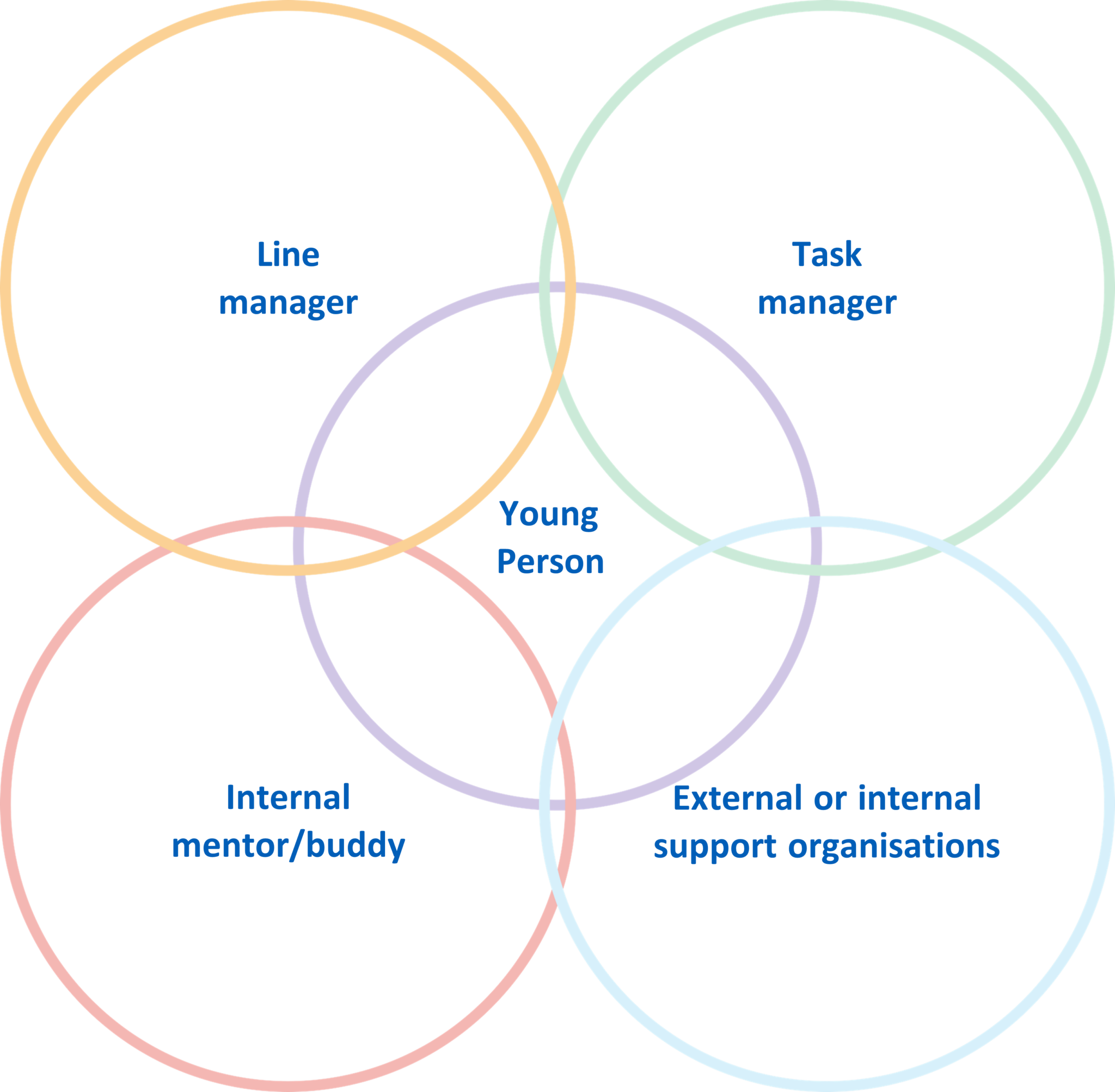
The standard NHS recruitment process—structured and potentially intimidating—has been thoughtfully adapted. Job advertisements now highlight personal qualities rather than long lists of credentials. Application procedures have been reconsidered to consider the particular difficulties care leavers might face—from not having work-related contacts to facing barriers to internet access.
Possibly most crucially, the Programme acknowledges that starting a job can create specific difficulties for care leavers who may be handling self-sufficiency without the backup of parental assistance. Matters like travel expenses, identification documents, and financial services—considered standard by many—can become significant barriers.
The elegance of the Programme lies in its meticulous consideration—from outlining compensation information to providing transportation assistance until that critical first payday. Even apparently small matters like break times and professional behavior are carefully explained.
For James, whose professional path has "revolutionized" his life, the Programme delivered more than a job. It provided him a perception of inclusion—that intangible quality that grows when someone senses worth not despite their past but because their particular journey improves the organization.
"Working for the NHS isn't just about doctors and nurses," James observes, his expression revealing the modest fulfillment of someone who has secured his position. "It's about a family of different jobs and roles, a family of people who really connect."
The NHS Universal Family Programme represents more than an employment initiative. It functions as a strong assertion that systems can change to include those who have experienced life differently. In doing so, they not only change personal trajectories but enhance their operations through the unique perspectives that care leavers provide.
As James moves through the hospital, his involvement subtly proves that with the right support, care leavers can flourish in environments once considered beyond reach. The arm that the NHS has provided through this Programme represents not charity but acknowledgment of untapped potential and the fundamental reality that everyone deserves a support system that champions their success.