

Among the organized chaos of medical professionals in Birmingham, a young man named James Stokes moves with quiet purpose. His oxford shoes move with deliberate precision as he exchanges pleasantries with colleagues—some by name, others with the comfortable currency of a "hello there."
James wears his NHS lanyard not merely as an employee badge but as a declaration of belonging. It sits against a pressed shirt that gives no indication of the challenging road that led him to this place.

What separates James from many of his colleagues is not visible on the surface. His demeanor discloses nothing of the fact that he was among the first recruits of the NHS Universal Family Programme—an initiative designed specifically for young people who have been through the care system.
"The Programme embraced me when I needed it most," James reflects, his voice steady but revealing subtle passion. His remark encapsulates the core of a programme that seeks to revolutionize how the enormous healthcare system views care leavers—those often overlooked young people aged 16-25 who have transitioned from the care system.
The numbers paint a stark picture. Care leavers commonly experience greater psychological challenges, financial instability, housing precarity, and lower academic success compared to their contemporaries. Behind these clinical numbers are human stories of young people who have traversed a system that, despite genuine attempts, often falls short in providing the supportive foundation that forms most young lives.
The NHS Universal Family Programme, launched in January 2023 following NHS England's commitment to the Care Leaver Covenant, signifies a profound shift in institutional thinking. Fundamentally, it acknowledges that the whole state and civil society should function as a "collective parent" for those who have missed out on the stability of a traditional family setting.
Ten pathfinder integrated care boards across England have charted the course, developing frameworks that reconceptualize how the NHS—one of Europe's largest employers—can create pathways to care leavers.
The Programme is detailed in its strategy, beginning with detailed evaluations of existing policies, creating governance structures, and securing executive backing. It acknowledges that meaningful participation requires more than noble aims—it demands practical measures.
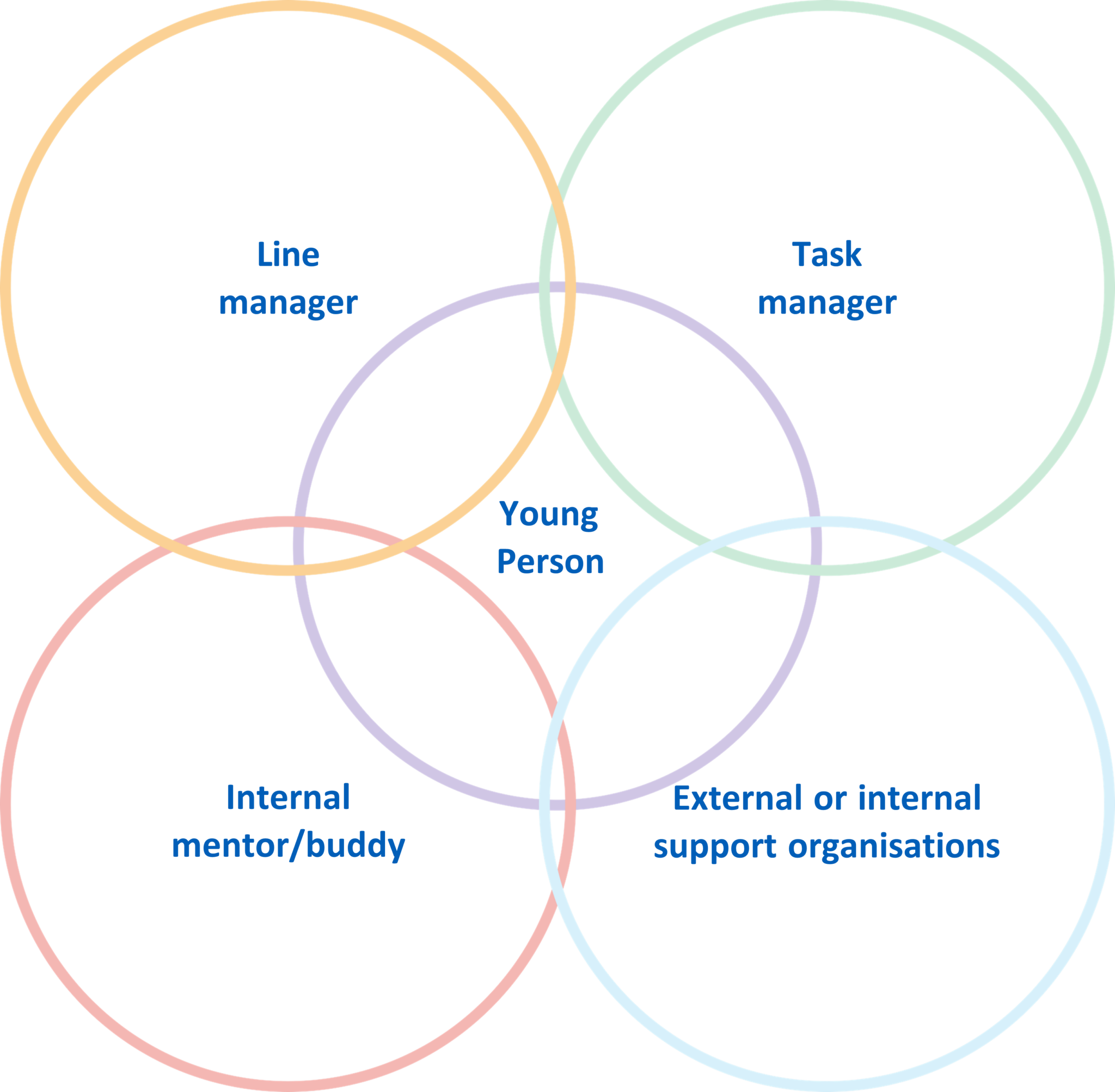
In NHS Birmingham and Solihull ICB, where James began his journey, they've established a consistent support system with representatives who can provide help and direction on wellbeing, HR matters, recruitment, and inclusivity efforts.
The traditional NHS recruitment process—structured and possibly overwhelming—has been thoughtfully adapted. Job advertisements now emphasize attitudinal traits rather than long lists of credentials. Application procedures have been reimagined to address the specific obstacles care leavers might experience—from missing employment history to facing barriers to internet access.
Perhaps most significantly, the Programme understands that entering the workforce can present unique challenges for care leavers who may be navigating autonomy without the support of parental assistance. Matters like travel expenses, personal documentation, and bank accounts—considered standard by many—can become substantial hurdles.
The beauty of the Programme lies in its thorough planning—from outlining compensation information to offering travel loans until that critical first wage disbursement. Even seemingly minor aspects like coffee breaks and workplace conduct are deliberately addressed.
For James, whose NHS journey has "changed" his life, the Programme offered more than work. It offered him a sense of belonging—that elusive quality that grows when someone senses worth not despite their background but because their distinct perspective enriches the organization.
"Working for the NHS isn't just about doctors and nurses," James observes, his expression revealing the subtle satisfaction of someone who has found his place. "It's about a community of different jobs and roles, a family of people who really connect."
The NHS Universal Family Programme embodies more than an employment initiative. It exists as a bold declaration that systems can evolve to include those who have navigated different paths. In doing so, they not only transform individual lives but improve their services through the unique perspectives that care leavers provide.
As James moves through the hospital, his presence quietly demonstrates that with the right help, care leavers can thrive in environments once thought inaccessible. The support that the NHS has extended through this Programme symbolizes not charity but recognition of hidden abilities and the fundamental reality that everyone deserves a family that supports their growth.