

In the sterile corridors of Birmingham Women's and Children's NHS Foundation Trust, a young man named James Stokes carries himself with the measured poise of someone who has found his place. His oxford shoes move with deliberate precision as he greets colleagues—some by name, others with the comfortable currency of a "good morning."
James carries his identification not merely as a security requirement but as a testament of inclusion. It rests against a well-maintained uniform that betrays nothing of the difficult path that led him to this place.
What distinguishes James from many of his colleagues is not immediately apparent. His presence gives away nothing of the fact that he was among the first beneficiaries of the NHS Universal Family Programme—an effort designed specifically for young people who have experienced life in local authority care.
"The Programme embraced me when I needed it most," James explains, his voice controlled but carrying undertones of feeling. His remark encapsulates the heart of a programme that seeks to revolutionize how the vast healthcare system views care leavers—those often overlooked young people aged 16-25 who have emerged from the care system.
The numbers tell a troubling story. Care leavers often face poorer mental health outcomes, economic uncertainty, housing precarity, and reduced scholarly attainment compared to their contemporaries. Beneath these impersonal figures are human stories of young people who have maneuvered through a system that, despite best intentions, frequently fails in providing the supportive foundation that forms most young lives.
The NHS Universal Family Programme, established in January 2023 following NHS England's pledge to the Care Leaver Covenant, represents a significant change in systemic approach. Fundamentally, it accepts that the entire state and civil society should function as a "universal family" for those who haven't experienced the constancy of a traditional family setting.
Ten pioneering healthcare collectives across England have blazed the trail, developing systems that reconceptualize how the NHS—one of Europe's largest employers—can create pathways to care leavers.
The Programme is thorough in its methodology, starting from detailed evaluations of existing practices, establishing governance structures, and garnering executive backing. It acknowledges that meaningful participation requires more than noble aims—it demands tangible actions.
In NHS Birmingham and Solihull ICB, where James began his journey, they've created a regular internal communication network with representatives who can deliver help and direction on wellbeing, HR matters, recruitment, and EDI initiatives.
The traditional NHS recruitment process—rigid and possibly overwhelming—has been carefully modified. Job advertisements now emphasize personal qualities rather than extensive qualifications. Application procedures have been reimagined to consider the specific obstacles care leavers might experience—from lacking professional references to facing barriers to internet access.
Possibly most crucially, the Programme understands that entering the workforce can create specific difficulties for care leavers who may be navigating autonomy without the support of parental assistance. Issues like commuting fees, personal documentation, and banking arrangements—assumed basic by many—can become significant barriers.
The brilliance of the Programme lies in its attention to detail—from explaining payslip deductions to providing transportation assistance until that essential first salary payment. Even apparently small matters like break times and workplace conduct are thoughtfully covered.
For James, whose professional path has "transformed" his life, the Programme offered more than work. It gave him a sense of belonging—that ineffable quality that develops when someone is appreciated not despite their past but because their distinct perspective enriches the workplace.
"Working for the NHS isn't just about doctors and nurses," James notes, his expression revealing the subtle satisfaction of someone who has discovered belonging. "It's about a community of different jobs and roles, a team of people who truly matter."
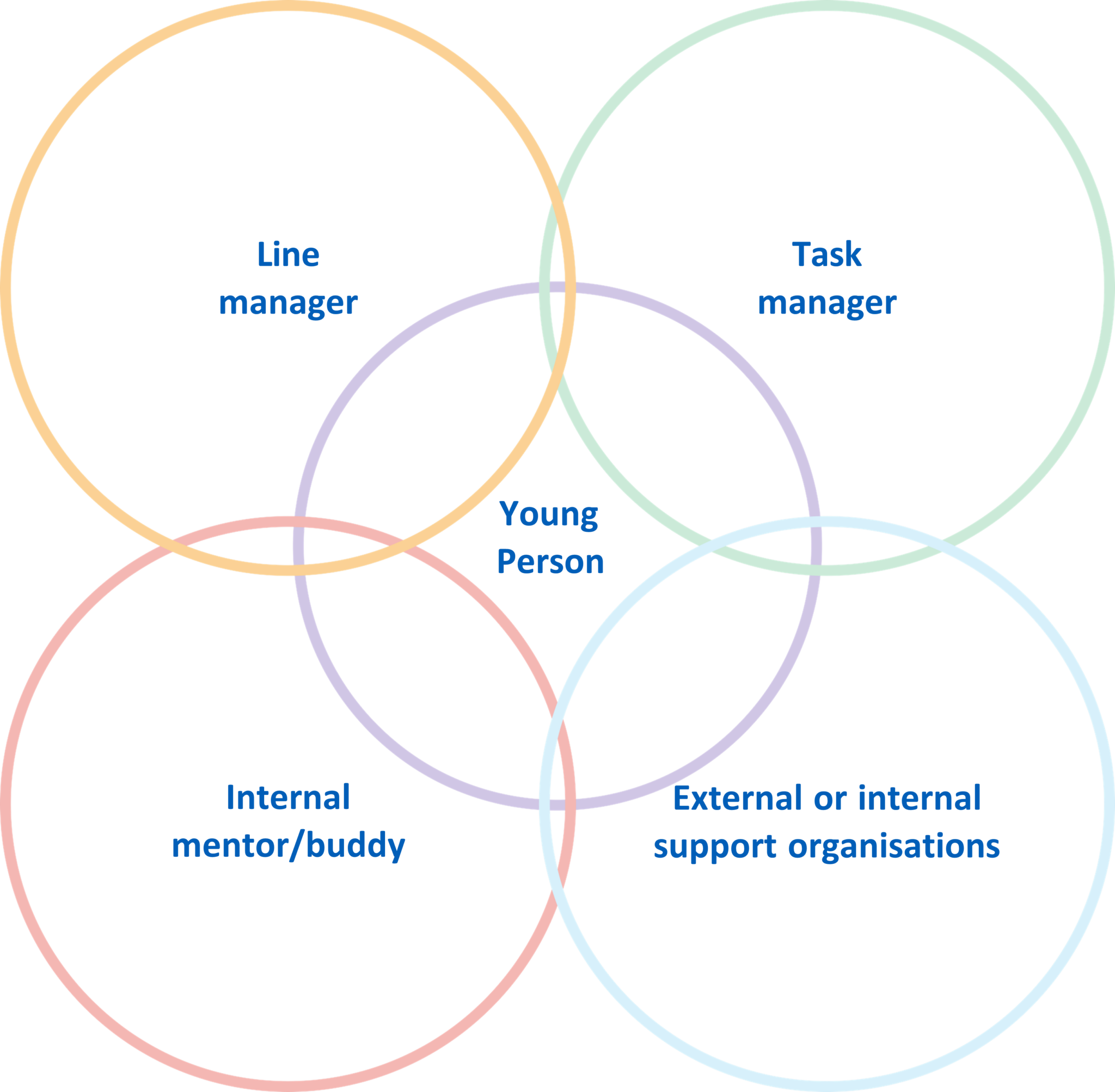
The NHS Universal Family Programme exemplifies more than an job scheme. It functions as a strong assertion that organizations can change to welcome those who have navigated different paths. In doing so, they not only transform individual lives but improve their services through the distinct viewpoints that care leavers provide.
As James navigates his workplace, his involvement silently testifies that with the right assistance, care leavers can flourish in environments once considered beyond reach. The arm that the NHS has extended through this Programme signifies not charity but acknowledgment of hidden abilities and the essential fact that all people merit a community that believes in them.