

In the sterile corridors of Birmingham Women's and Children's NHS Foundation Trust, a young man named James Stokes navigates his daily responsibilities with subtle confidence. His smart shoes barely make a sound as he exchanges pleasantries with colleagues—some by name, others with the familiar currency of a "hello there."
James displays his credentials not merely as a security requirement but as a testament of belonging. It rests against a pressed shirt that offers no clue of the difficult path that brought him here.
What sets apart James from many of his colleagues is not immediately apparent. His presence discloses nothing of the fact that he was among the first participants of the NHS Universal Family Programme—an undertaking created purposefully for young people who have spent time in care.
"It felt like the NHS was putting its arm around me," James explains, his voice controlled but tinged with emotion. His statement summarizes the essence of a programme that strives to reinvent how the enormous healthcare system approaches care leavers—those often overlooked young people aged 16-25 who have emerged from the care system.
The statistics reveal a challenging reality. Care leavers frequently encounter higher rates of mental health issues, economic uncertainty, accommodation difficulties, and lower academic success compared to their peers. Underlying these cold statistics are human stories of young people who have maneuvered through a system that, despite genuine attempts, frequently fails in delivering the supportive foundation that forms most young lives.
The NHS Universal Family Programme, established in January 2023 following NHS England's pledge to the Care Leaver Covenant, signifies a substantial transformation in systemic approach. Fundamentally, it recognizes that the whole state and civil society should function as a "communal support system" for those who have missed out on the constancy of a traditional family setting.
A select group of healthcare regions across England have led the way, creating structures that reimagine how the NHS—one of Europe's largest employers—can open its doors to care leavers.
The Programme is thorough in its methodology, starting from detailed evaluations of existing practices, forming oversight mechanisms, and obtaining leadership support. It understands that meaningful participation requires more than noble aims—it demands practical measures.
In NHS Birmingham and Solihull ICB, where James began his journey, they've established a regular internal communication network with representatives who can deliver assistance and counsel on mental health, HR matters, recruitment, and inclusivity efforts.
The standard NHS recruitment process—rigid and often daunting—has been carefully modified. Job advertisements now emphasize attitudinal traits rather than numerous requirements. Application procedures have been reconsidered to consider the unique challenges care leavers might experience—from missing employment history to struggling with internet access.
Perhaps most significantly, the Programme recognizes that beginning employment can create specific difficulties for care leavers who may be managing independent living without the backup of familial aid. Matters like transportation costs, personal documentation, and financial services—assumed basic by many—can become significant barriers.
The beauty of the Programme lies in its thorough planning—from explaining payslip deductions to offering travel loans until that essential first payday. Even ostensibly trivial elements like coffee breaks and professional behavior are carefully explained.
For James, whose career trajectory has "changed" his life, the Programme delivered more than work. It offered him a feeling of connection—that elusive quality that emerges when someone is appreciated not despite their past but because their distinct perspective improves the workplace.
"Working for the NHS isn't just about doctors and nurses," James comments, his eyes reflecting the subtle satisfaction of someone who has discovered belonging. "It's about a collective of different jobs and roles, a group of people who truly matter."
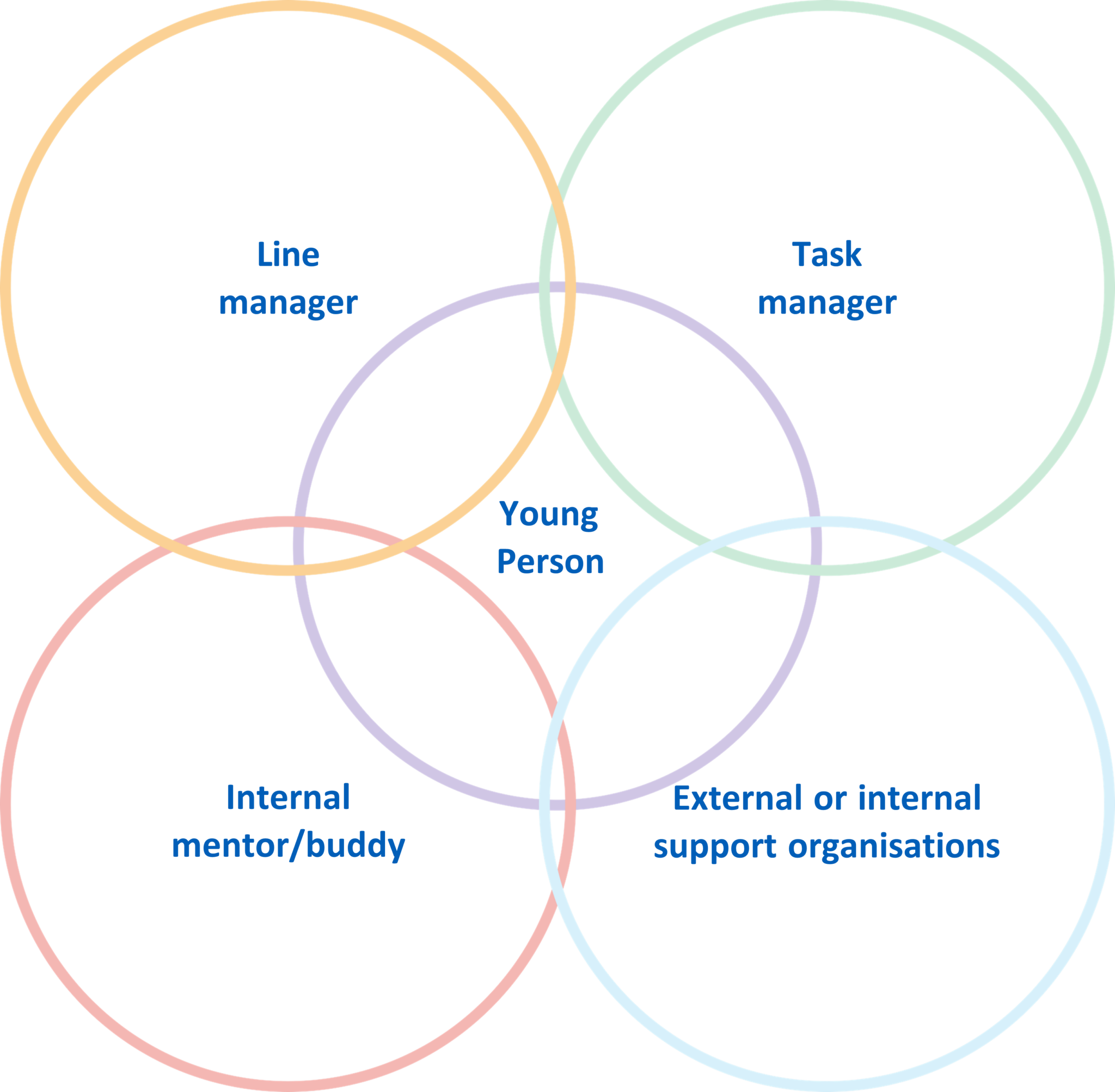
The NHS Universal Family Programme represents more than an work program. It functions as a bold declaration that institutions can evolve to embrace those who have navigated different paths. In doing so, they not only transform individual lives but enrich themselves through the unique perspectives that care leavers bring to the table.
As James moves through the hospital, his presence quietly demonstrates that with the right assistance, care leavers can succeed in environments once thought inaccessible. The arm that the NHS has provided through this Programme represents not charity but appreciation of overlooked talent and the fundamental reality that all people merit a support system that champions their success.