


Within the bustling halls of an NHS hospital in Birmingham, a young man named James Stokes carries himself with the measured poise of someone who has found his place. His polished footwear barely make a sound as he greets colleagues—some by name, others with the familiar currency of a "how are you."
James wears his NHS lanyard not merely as an employee badge but as a declaration of acceptance. It sits against a well-maintained uniform that offers no clue of the difficult path that brought him here.
What sets apart James from many of his colleagues is not immediately apparent. His demeanor reveals nothing of the fact that he was among the first participants of the NHS Universal Family Programme—an undertaking designed specifically for young people who have been through the care system.
"The Programme embraced me when I needed it most," James reflects, his voice measured but carrying undertones of feeling. His observation summarizes the essence of a programme that seeks to reinvent how the vast healthcare system approaches care leavers—those vulnerable young people aged 16-25 who have transitioned from the care system.
The figures tell a troubling story. Care leavers commonly experience higher rates of mental health issues, money troubles, housing precarity, and reduced scholarly attainment compared to their contemporaries. Underlying these cold statistics are individual journeys of young people who have traversed a system that, despite genuine attempts, regularly misses the mark in providing the nurturing environment that forms most young lives.
The NHS Universal Family Programme, initiated in January 2023 following NHS England's pledge to the Care Leaver Covenant, signifies a significant change in systemic approach. At its heart, it recognizes that the complete state and civil society should function as a "collective parent" for those who have missed out on the security of a conventional home.
Ten pathfinder integrated care boards across England have led the way, developing systems that reimagine how the NHS—one of Europe's largest employers—can extend opportunities to care leavers.
The Programme is thorough in its approach, beginning with comprehensive audits of existing policies, establishing oversight mechanisms, and obtaining senior buy-in. It understands that successful integration requires more than lofty goals—it demands tangible actions.
In NHS Birmingham and Solihull ICB, where James started his career, they've created a consistent support system with representatives who can deliver help and direction on personal welfare, HR matters, recruitment, and inclusivity efforts.
The traditional NHS recruitment process—structured and possibly overwhelming—has been carefully modified. Job advertisements now emphasize character attributes rather than long lists of credentials. Application procedures have been reimagined to consider the specific obstacles care leavers might experience—from not having work-related contacts to facing barriers to internet access.
Perhaps most significantly, the Programme recognizes that entering the workforce can present unique challenges for care leavers who may be navigating autonomy without the support of family resources. Concerns like transportation costs, proper ID, and bank accounts—taken for granted by many—can become significant barriers.
The brilliance of the Programme lies in its meticulous consideration—from outlining compensation information to helping with commuting costs until that essential first payday. Even ostensibly trivial elements like rest periods and professional behavior are carefully explained.
For James, whose NHS journey has "transformed" his life, the Programme delivered more than employment. It gave him a feeling of connection—that elusive quality that develops when someone senses worth not despite their background but because their unique life experiences improves the workplace.
"Working for the NHS isn't just about doctors and nurses," James comments, his eyes reflecting the modest fulfillment of someone who has discovered belonging. "It's about a family of different jobs and roles, a group of people who really connect."
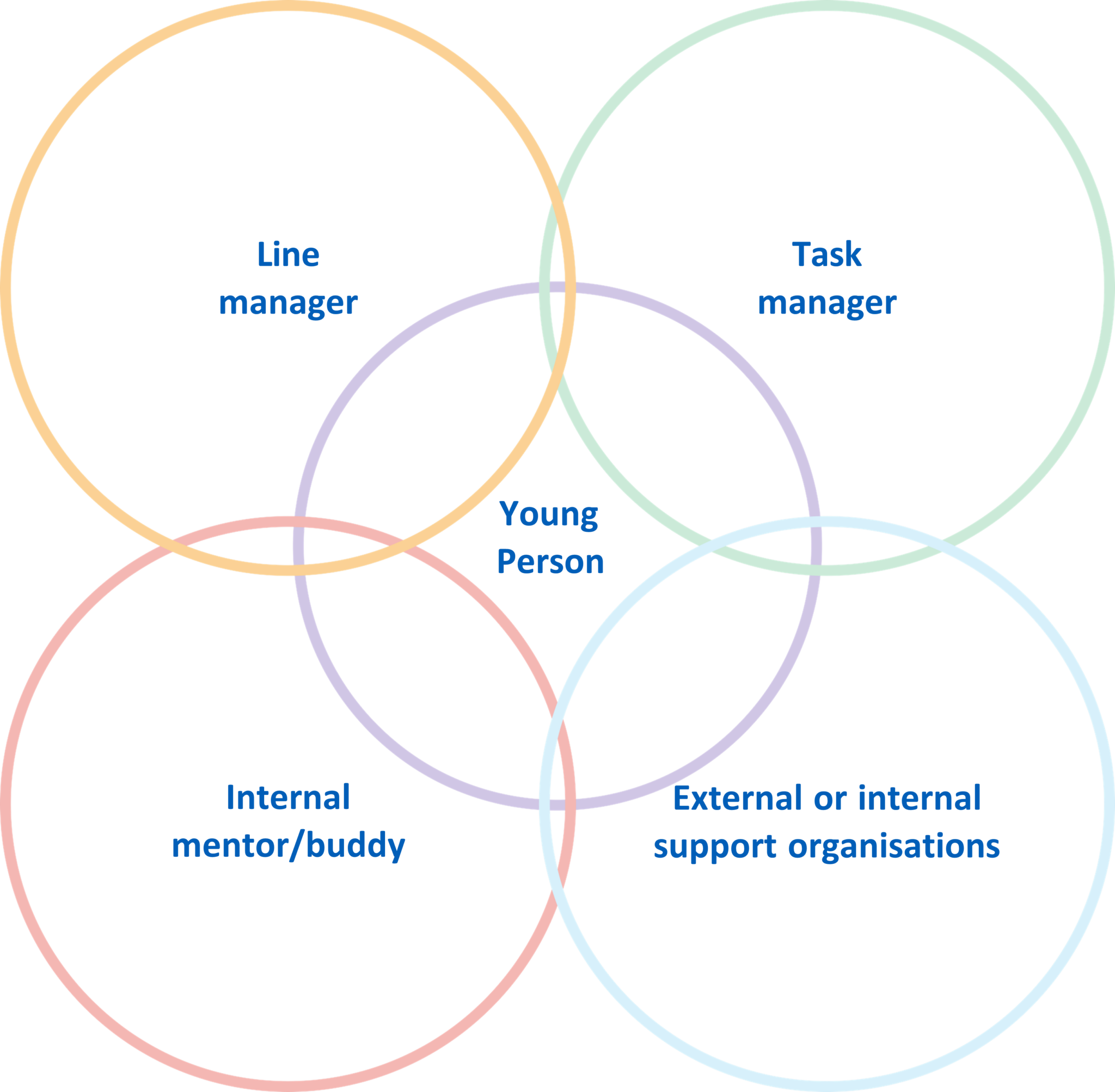
The NHS Universal Family Programme embodies more than an employment initiative. It functions as a strong assertion that systems can change to include those who have known different challenges. In doing so, they not only alter individual futures but enhance their operations through the special insights that care leavers contribute.
As James walks the corridors, his involvement quietly demonstrates that with the right support, care leavers can thrive in environments once thought inaccessible. The arm that the NHS has extended through this Programme signifies not charity but acknowledgment of overlooked talent and the profound truth that each individual warrants a family that believes in them.