

Within the bustling halls of an NHS hospital in Birmingham, a young man named James Stokes carries himself with the measured poise of someone who has found his place. His smart shoes move with deliberate precision as he greets colleagues—some by name, others with the familiar currency of a "good morning."
James carries his identification not merely as institutional identification but as a testament of belonging. It hangs against a pressed shirt that offers no clue of the tumultuous journey that preceded his arrival.

What distinguishes James from many of his colleagues is not visible on the surface. His bearing reveals nothing of the fact that he was among the first beneficiaries of the NHS Universal Family Programme—an initiative crafted intentionally for young people who have experienced life in local authority care.
"The Programme embraced me when I needed it most," James explains, his voice measured but tinged with emotion. His observation summarizes the core of a programme that seeks to transform how the vast healthcare system perceives care leavers—those often overlooked young people aged 16-25 who have transitioned from the care system.
The statistics tell a troubling story. Care leavers commonly experience higher rates of mental health issues, economic uncertainty, accommodation difficulties, and lower academic success compared to their age-mates. Beneath these cold statistics are individual journeys of young people who have maneuvered through a system that, despite genuine attempts, frequently fails in offering the supportive foundation that molds most young lives.
The NHS Universal Family Programme, launched in January 2023 following NHS England's pledge to the Care Leaver Covenant, signifies a substantial transformation in institutional thinking. Fundamentally, it recognizes that the complete state and civil society should function as a "collective parent" for those who haven't experienced the constancy of a traditional family setting.
A select group of healthcare regions across England have charted the course, establishing structures that reconceptualize how the NHS—one of Europe's largest employers—can open its doors to care leavers.
The Programme is meticulous in its methodology, beginning with detailed evaluations of existing practices, creating governance structures, and securing senior buy-in. It recognizes that successful integration requires more than lofty goals—it demands concrete steps.
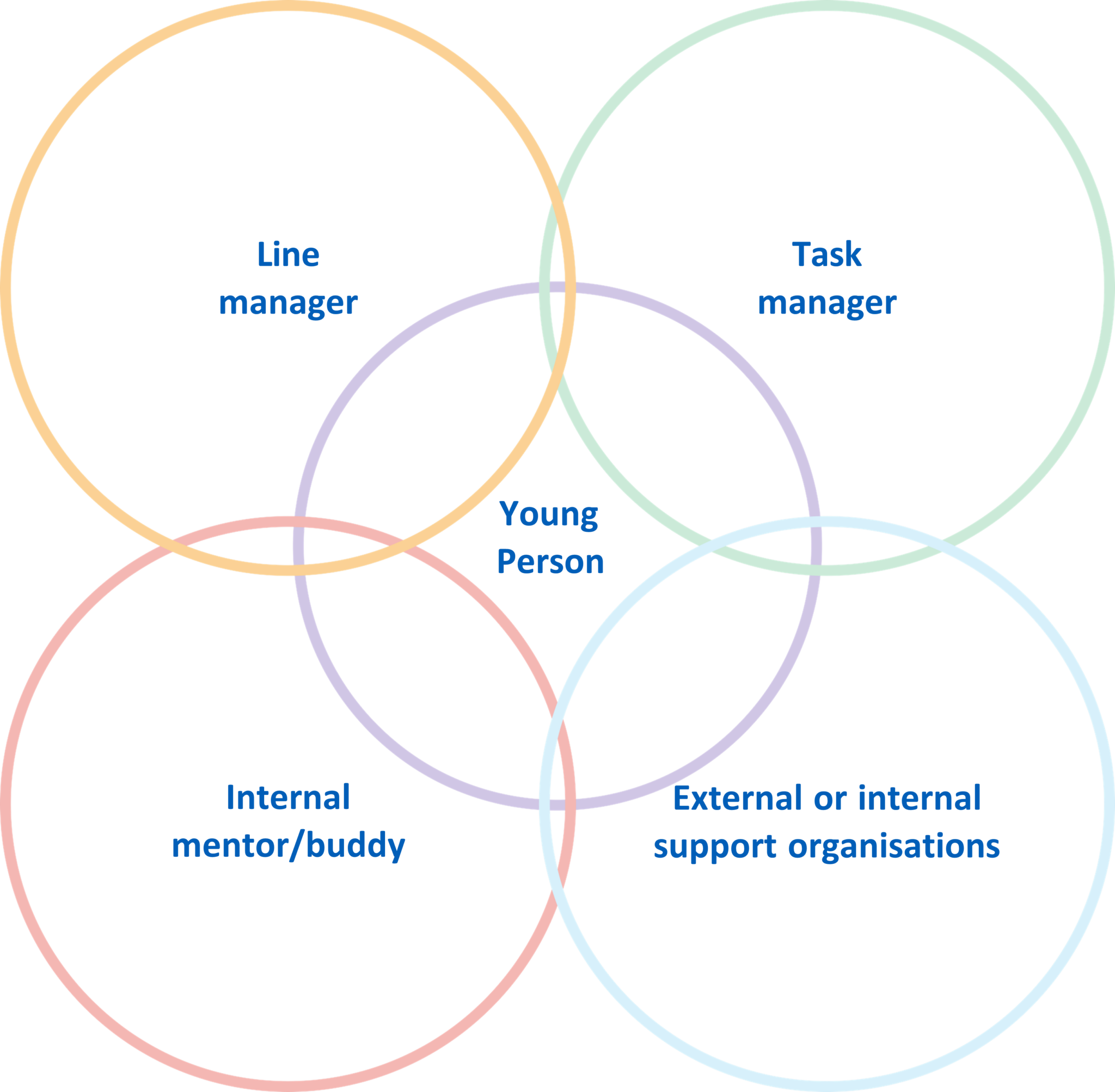
In NHS Birmingham and Solihull ICB, where James started his career, they've developed a regular internal communication network with representatives who can offer support, advice, and guidance on wellbeing, HR matters, recruitment, and EDI initiatives.
The traditional NHS recruitment process—structured and possibly overwhelming—has been intentionally adjusted. Job advertisements now focus on character attributes rather than long lists of credentials. Application processes have been reconsidered to address the specific obstacles care leavers might encounter—from not having work-related contacts to facing barriers to internet access.
Possibly most crucially, the Programme recognizes that entering the workforce can pose particular problems for care leavers who may be managing independent living without the backup of family resources. Concerns like commuting fees, identification documents, and banking arrangements—taken for granted by many—can become major obstacles.
The brilliance of the Programme lies in its attention to detail—from outlining compensation information to helping with commuting costs until that critical first salary payment. Even ostensibly trivial elements like coffee breaks and workplace conduct are thoughtfully covered.
For James, whose career trajectory has "changed" his life, the Programme provided more than employment. It gave him a perception of inclusion—that elusive quality that grows when someone is appreciated not despite their history but because their distinct perspective enhances the organization.
"Working for the NHS isn't just about doctors and nurses," James observes, his gaze showing the modest fulfillment of someone who has found his place. "It's about a community of different jobs and roles, a group of people who really connect."
The NHS Universal Family Programme exemplifies more than an job scheme. It stands as a bold declaration that systems can change to include those who have known different challenges. In doing so, they not only transform individual lives but improve their services through the distinct viewpoints that care leavers provide.
As James navigates his workplace, his participation silently testifies that with the right help, care leavers can thrive in environments once thought inaccessible. The embrace that the NHS has offered through this Programme signifies not charity but recognition of untapped potential and the essential fact that all people merit a community that supports their growth.